
Tento blog byl zkontrolován a schválen Dr. Robertem Lee, zubním lékařem s 35letou praxí
Dozvědět se více >Zaregistrujte se
a získejte odborné rady a exkluzivní nabídky

KOJENCI A BATOLATA
a získejte odborné rady a exkluzivní nabídky
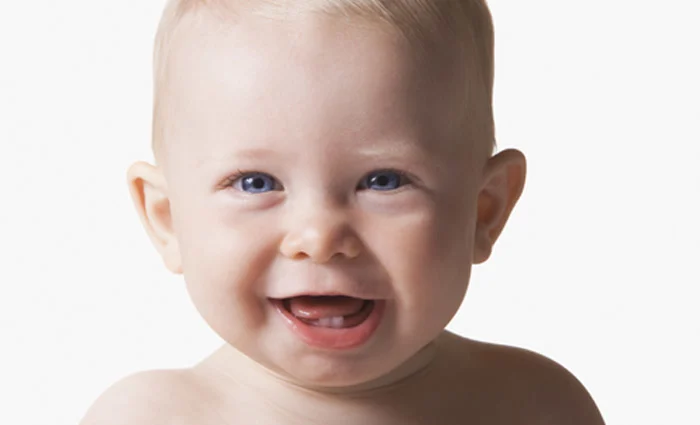
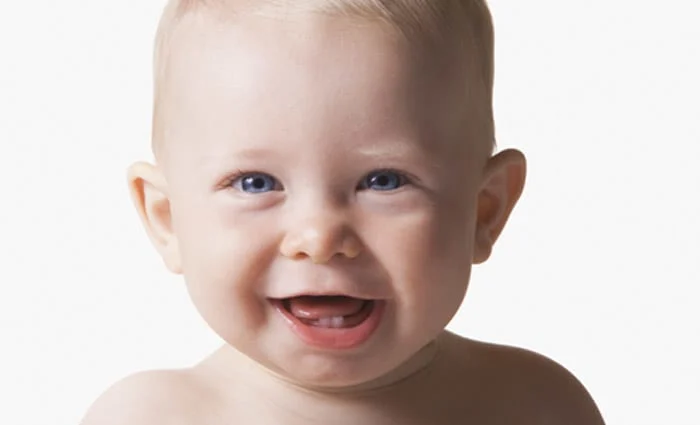
A big part of your baby’s development is when baby teeth make their first appearance, and it’s hard not to be excited by your baby’s new smile. It also means you’ll need to start taking care of your baby’s teeth. Because good oral health starts from the first tooth.

Baby teeth first appear (or “erupt”) at four to eight months, and they need daily care to make sure they’re healthy. Baby teeth serve vital purposes in the health of a child’s mouth. They help hold the jaw in place as adult teeth to continue to grow under the gums. They also create openings for the adult teeth to emerge. And they’re important in how a child learns to chew, smile, and speak. This means that not caring for baby teeth can have a profound effect on their oral and overall health both as a child and as an adult.

All 20 of the baby teeth are typically in place by age 3. However, every baby grows at their own pace. If you have concerns about when your baby’s teeth are coming in, talk to your dentist.
You may find that your baby cries more often and acts crankier when teething. That’s because emerging teeth can make gums sore and tender. These typical teething symptoms can be relieved by something simple like rubbing them with a clean finger, a wet gauze pad, or a cool teething toy.
It’s also time to start brushing. Decay can begin as soon as teeth appear. For safety, brushing should to be done by a parent or caregiver until 24 months. After then, your child can “help” guide the brush. However, it’s highly recommended that an adult should continue to brush their children’s teeth through age 7.

As soon as their teeth appear, make twice daily brushings part of your baby’s routine, with one of them being the last thing at night before their bedtime. Brushing with just a smear of fluoride toothpaste, such as the Oral-B Baby 0-2 Winnie the Pooh toothpaste, on a child-size toothbrush with gentle bristles, such as the Oral-B Baby 0-2 Winnie the Pooh toothbrush, does the trick. Once finished, it’s unlikely your baby will be able to spit out the toothpaste, so simply wipe away the excess. Swallowing toothpaste can cause upset stomach or diarrhea. It can also lead to fluorosis, when too much fluoride in the body can cause white spots on baby teeth.

Starting at age 3, using an electric toothbrush, such as the Oral-B 3+ Electric Toothbrush (available featuring Frozen or Star Wars characters) is acceptable as long as a parent is the one brushing their teeth.

Your baby should see a dentist before their first birthday. However, your baby can go as early as the first tooth’s appearance. This will not only keep your child’s mouth healthy and start good habits, but it will help you get advice if you need it.

You can prepare for their first dentist visit by talking to your child about what will happen and letting them know that it will be a positive experience. Try reading books or watching child-friendly videos about dentists. Encourage them to practice opening their mouth wide for the dentist. At your first visit, your dentist will probably have you sit in the dentist’s chair as you hold your child in your lap. A dentist will check to see how your child’s teeth and jaw are developing, check for decay, then clean their teeth.
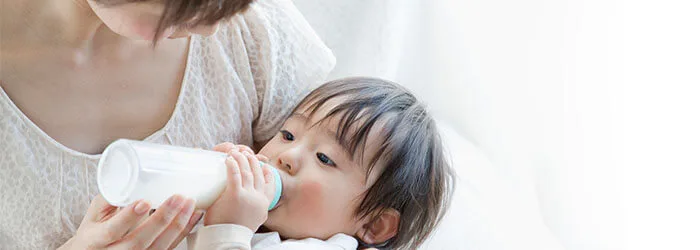
In addition to brushing baby’s teeth twice a day and seeing a dentist regularly, it’s important to make sure your child’s diet is low in sugar. Just like with adult teeth, too much sugar can lead to plaque and tooth decay. It’s a good idea to have them drink mainly milk or water, since smoothies, juices, and sodas are very high in sugar. Try to limit sugary drinks or snacks before bedtime or avoid them altogether. And don’t put your baby to bed with bottled drinks that contain sugar. Give them only water at night.